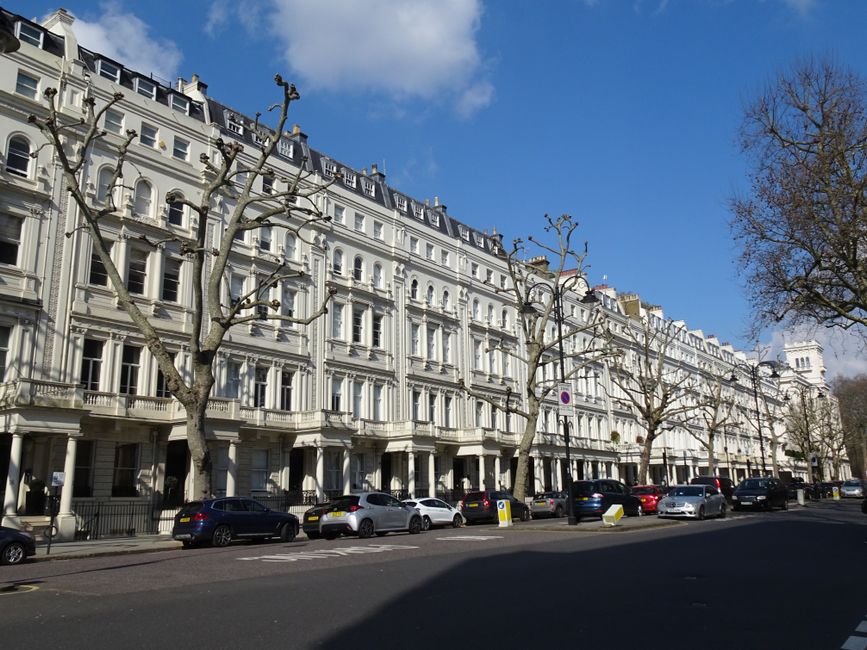
Upholstery cleaning for period flats on Brompton Road
Posted on 16/07/2026
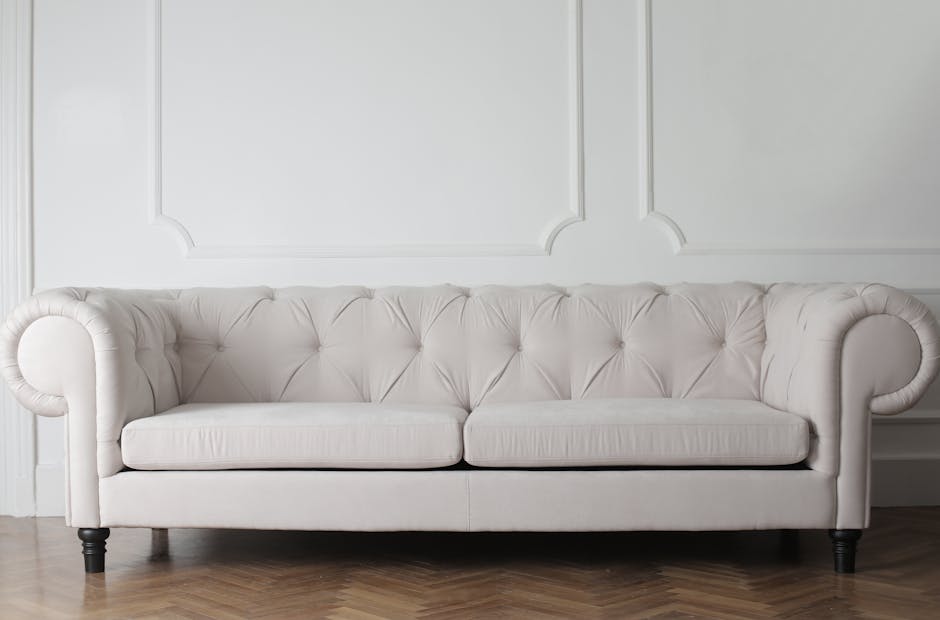
Upholstery cleaning for period flats on Brompton Road: a practical guide to caring for character homes
Period flats on Brompton Road have a very particular charm. You feel it the moment you step in: tall ceilings, original detailing, a sofa that has probably seen a few proper conversations, and fabrics that deserve more care than a quick once-over with the vacuum. Upholstery cleaning for period flats on Brompton Road is not just about making things look neat. It is about protecting delicate textiles, removing everyday grime without damaging heritage features, and keeping a home feeling fresh without stripping away its character.
Truth be told, these homes can be lovely and a little complicated at the same time. Older layouts, narrower stairwells, sensitive fabrics, and mixed-use rooms all change how cleaning should be handled. In this guide, we will walk through what to look for, how professional upholstery cleaning works, when it makes sense, and the mistakes that catch people out. If you are weighing up a one-off refresh or a deeper clean alongside deep cleaning in Brompton, this should give you a clear, grounded starting point.
And yes, we will keep it practical. No fluff. Just the stuff that matters when you want your flat to look cared for, not overworked.
Why Upholstery cleaning for period flats on Brompton Road Matters
Period flats tend to collect a very specific kind of wear. Not heavy, obvious damage in most cases, but a slow build-up of body oils, dust, traffic grime, cooking odours, and the faint marks of daily life. Upholstery picks this up first. Armrests darken. Scatter cushions look tired. A dining chair that was once elegant starts to feel a bit flat. You know the feeling.
On Brompton Road, where many homes combine older architecture with active modern living, upholstery cleaning has another layer of value: it helps preserve interiors that are often harder to replace than they are to maintain. Original or period-appropriate furniture is not something you want to treat casually. A harsh DIY spray can leave rings, fade dye, or make a nice piece look patchy. That is a headache nobody needs.
There is also the practical side. Clean upholstery improves the whole room. It lifts the air, reduces stale smells, and makes small flats feel brighter. In a compact London home, that matters more than people sometimes admit. A fresh sofa can change how a living room feels on a wet Tuesday evening, which is a strangely specific but very real thing.
If your flat is part of a wider maintenance plan, this work also complements services like carpet cleaning in Brompton and spring cleaning support in Brompton. Upholstery and carpets tend to age together. Deal with one and ignore the other, and the room can still look off.
Expert summary: In period flats, upholstery cleaning is best treated as preservation plus presentation. The goal is not just "clean"; it is clean without compromise.
How Upholstery cleaning for period flats on Brompton Road Works
Professional upholstery cleaning usually starts with inspection. That sounds basic, but it is the part that saves furniture. The cleaner identifies the fabric type, looks for wear, checks stitching, notes previous spot treatments, and tests a small hidden area if needed. Older sofas and chairs often have mixed materials, so one method rarely suits everything.
From there, the process is usually built around dry soil removal, stain pre-treatment, and a controlled cleaning method. Depending on the fabric, that might involve low-moisture extraction, gentle shampooing, foam application, or specialist hand cleaning. Delicate pieces, especially those with trim, pleats, or vintage upholstery, often need slower work. There is no point pretending a rushed machine pass will do the same job. It will not.
Drying matters too. Period flats may have thicker walls, less airflow, or rooms that hold moisture longer than newer builds. That means a good cleaner will manage ventilation carefully and avoid overwetting the fabric or the padding beneath. A damp armchair hidden in a warm sitting room can become a nuisance fast.
The real craft lies in matching method to material. Cotton velvet, linen blends, wool, leather, and synthetic upholstery each behave differently. If someone talks as though every sofa can be treated the same way, be a bit cautious. That is not expertise; that is guesswork in a smart shirt.
Key Benefits and Practical Advantages
There are some obvious benefits to clean upholstery, but the less obvious ones are often the most useful.
- Better appearance: Clean fabric restores colour depth and reduces the dull, grey look that can build up in older interiors.
- Improved comfort: Removing grit and residue makes seating feel fresher and more pleasant to use.
- Odour reduction: Soft furnishings absorb cooking smells, pet odours, and general city air over time.
- Fabric protection: Regular care reduces the risk of permanent staining and fibres breaking down prematurely.
- Healthier indoor environment: Dust and allergens tend to settle in upholstery, especially in homes with heavy use.
- Longer furniture life: Proper cleaning can delay the need for reupholstery or replacement.
For period flats, another advantage is subtler but important: clean upholstery helps preserve the balance between old and new. A beautiful room can lose its feeling very quickly if the soft furnishings look neglected. One sofa can throw the whole space off. It is a bit unfair, but that is how rooms work.
There is also a practical financial angle. If you take care of chairs, sofas, and headboards properly, you reduce the chance of avoidable damage. That matters whether you are owner-occupying, letting the flat, or preparing it for sale. If you are also considering property presentation more broadly, this look at Brompton's real estate market is a useful companion read.
Who This Is For and When It Makes Sense
This kind of service is a strong fit for a few different people. You may recognise yourself in one of these situations.
- Homeowners in period flats: If you have invested in older furniture or inherited pieces, gentle professional care is often the safest route.
- Renters and leaseholders: When you want the flat to feel properly maintained without risking fabric damage.
- Landlords and managing agents: Soft furnishings can influence first impressions just as much as walls and floors.
- People preparing for guests or events: Brompton homes are often used for dinners, family visits, and the occasional more polished evening. A cleaner sofa helps, frankly.
- Anyone noticing odours, stains, or dull fabric: If the armrest is looking shiny or the cushions smell "a bit lived in", that is usually your signal.
It makes sense after a spill, after a busy season at home, or as part of a deeper refresh every so often. There is no single perfect schedule, because use varies so much. A lightly used drawing room chair is different from the main family sofa where everyone piles in after work.
And if you are trying to decide whether to book upholstery cleaning on its own or alongside other tasks, a broader service like one-off cleaning in Brompton can be a sensible middle ground.
Step-by-Step Guidance
If you want to understand what a careful cleaning visit looks like, the outline below is a good guide. Different fabrics need different treatment, but the general flow is fairly consistent.
- Inspect the fabric and frame
Check the upholstery type, age, condition, and any weak seams or loose buttons. A good cleaner will also look for shrink risk, colour bleed, and hidden wear. - Test an inconspicuous area
Small test patches help confirm how the material reacts. This step is especially important on older textiles and anything with rich dye. - Vacuum thoroughly
Dry soil should come out before moisture goes anywhere near the fabric. Otherwise, you are just making mud, which is not ideal. Not even a little. - Pre-treat marks and traffic areas
Heavier marks around arms, headrests, and seat fronts often need targeted treatment rather than a blanket approach. - Apply the chosen cleaning method
Depending on the fabric, this might be low-moisture extraction, gentle foam cleaning, or careful hand application. - Extract or remove residue
Leaving cleaning agent behind can attract dirt again. A proper finish matters more than people think. - Manage drying and airflow
Open windows where possible, use airflow sensibly, and avoid sitting on the furniture until it is ready. - Final grooming and inspection
Fabric pile may need brushing, seams checked again, and the piece reviewed once dry.
For period flats, patience is the real difference-maker. The fabric should look revived, not scrubbed into submission. If a cleaner seems too eager to rush the process, slow down and ask questions. It is your furniture.
Expert Tips for Better Results
A few small habits make a big difference.
- Know your fabric before you do anything: Velvet, linen, wool, and synthetics all need different approaches.
- Deal with spills quickly, but not aggressively: Blot first. Do not rub like you are trying to erase the evidence.
- Keep upholstery away from overuse where possible: Rotate cushions and flip loose seats if the design allows it.
- Use gentle ventilation after cleaning: Open a window or allow air movement, but avoid blasting heat at the fabric.
- Match cleaning frequency to real life: Homes with pets, children, or entertaining habits need more regular care.
- Combine soft furnishing care with the rest of the flat: Upholstery, curtains, carpets, and mattresses all influence one another.
One thing we often see in older Brompton homes is a lovely chair or sofa that has been spot-cleaned over and over in different ways. The result is rarely even. Sometimes the best tip is the simplest one: stop adding new products every few weeks and get the piece assessed properly. That alone can save a lot of trouble.
If you keep other textiles in good shape too, such as drapes and throws, the room stays coherent. For example, the advice in safeguarding velvet curtains with the right cleaning techniques is very much in the same family of care.

Common Mistakes to Avoid
Most upholstery damage does not happen in one dramatic moment. It happens through a series of small missteps. The good news is that they are avoidable.
- Using too much water: Wetting the padding beneath the fabric can lead to slow drying, odour, and shape issues.
- Scrubbing stains hard: This can spread the mark and roughen the fibres.
- Ignoring the care label or fabric notes: Even if the label is faded, the material still has limits.
- Testing a strong cleaner on a visible area: It feels obvious, yet it happens all the time.
- Cleaning only the stained spot: This can leave a halo or a patchy finish.
- Skipping drying time: Sitting down too early can compress the fabric and pick up residue.
- Assuming all upholstery is maintenance-free: It really, really is not.
In period flats, another mistake is ignoring the wider environment. If windows are often closed, radiators run hard, and foot traffic is constant, upholstery gets stressed differently than in a breezier, more modern flat. The cleaning plan should reflect the home, not an idealised version of it.
On a practical note, people sometimes think a stronger chemical automatically means a better result. Usually the opposite. Gentler, well-targeted methods are often the safer and cleaner choice.
Tools, Resources and Recommendations
You do not need a van full of gadgets to care for upholstery well, but the right tools help a lot. If you are maintaining furniture yourself between professional visits, these are the basics worth having.
- Soft brush vacuum attachment: Helps lift dust without scuffing the fabric.
- Clean white cloths: Useful for blotting spills and applying small amounts of product safely.
- Fabric-safe spot treatment: Only if it suits the material and has been tested first.
- Microfibre cloths: Handy for light maintenance, though not a cure-all.
- Good airflow: Simple, free, and often underrated.
For bigger jobs, professional equipment and experience make the difference. A proper cleaner will bring the right extraction method, understand drying constraints, and know when a piece needs a lighter touch. That matters in character properties where the furniture is part of the room's identity, not just something to sit on.
If you want to understand broader service coverage and how upholstery fits into regular home care, the services overview is a useful place to start. And if you are comparing upholstery care with other property maintenance needs, a house cleaning service in Brompton may fit alongside it nicely.
Law, Compliance, Standards, or Best Practice
For most homeowners, upholstery cleaning is mainly a maintenance decision. Even so, there are a few best-practice considerations worth keeping in mind, especially in rented or managed flats.
First, fabric care should be consistent with the manufacturer's guidance where that information is available. If a care label exists, it should be taken seriously. If it is missing or unreadable, caution is still the right approach. That is especially true for older furniture where the fabric may have been repaired, re-covered, or treated before.
Second, in managed homes or rental settings, it is sensible to work in a way that avoids damage to floors, walls, electrics, and surrounding finishes. That sounds obvious, but period flats often have tighter spaces and more fragile surroundings. Careful access and sensible protective measures are part of the job.
Third, reputable cleaners should use methods that align with general UK health and safety expectations. That includes sensible handling of cleaning agents, safe equipment use, and clear communication about drying times or any areas of risk. If you are booking a service, you can also review practical company policies such as health and safety guidance and insurance and safety information. Those pages help you understand how a provider thinks about risk, which is reassuring and, honestly, a bit underrated.
For anything involving fragile antique upholstery, specialist conservation advice may be appropriate. That is not overcautious; it is sensible. Better to ask first than wish you had later.
Options, Methods, or Comparison Table
Not every upholstery job needs the same method. The right choice depends on fabric, condition, and how much moisture the piece can handle.
| Method | Best for | Advantages | Watch-outs |
|---|---|---|---|
| Low-moisture cleaning | General upholstery, busy homes, quicker drying needs | Gentler drying time, good for everyday refreshes | May not remove deep-set staining alone |
| Extraction cleaning | Durable fabrics with heavier soiling | Useful for lifting embedded dirt and residues | Needs careful moisture control in older flats |
| Foam or shampoo cleaning | Some textured fabrics and surface-level cleaning | Can be effective on visible grime | Residue must be removed properly to avoid re-soiling |
| Hand cleaning | Delicate pieces, trims, vintage items, awkward detailing | Maximum control and precision | Slower and labour-intensive |
To be fair, the best method is often a combination. A cleaner may vacuum, pre-treat, use a controlled cleaning process, and then finish by hand around detailing. That mixed approach is especially common where the furniture has age, character, or a slightly temperamental fabric. Which, let's face it, is often the case in a Brompton period flat.
Case Study or Real-World Example
Here is a realistic example from the kind of situation people often face. A resident in a handsome older flat near Brompton Road had a three-seater sofa, two dining chairs, and a velvet ottoman that had started to look tired after a year of frequent use. Nothing dramatic, just the usual signs: a darkened armrest, a few faint drink marks, and a general flattening of colour.
The challenge was not just dirt. The flat had limited airflow, the upholstery was mixed-fabric, and the seating sat close to warm radiators. A quick, heavy-handed clean would likely have left marks or uneven drying. So the approach was methodical: inspection first, test patches, careful pre-treatment, then a controlled low-moisture clean with extra attention to drying and fabric grooming.
The result was not "brand new", because that would be silly and probably not desirable anyway. It was better: brighter colour, less odour, a more even finish, and furniture that looked cared for rather than overworked. That is the sweet spot in period properties. You want the room to breathe a little again.
If the flat is being prepared for a move, tenancy handover, or broader reset, upholstery cleaning often sits neatly alongside end of tenancy cleaning in Brompton or a broader domestic cleaning plan. It is one of those jobs that quietly changes how a whole home feels.
Practical Checklist
Use this quick checklist before booking or attempting any upholstery clean in a period flat.
- Identify the fabric type if possible.
- Check for loose stitching, buttons, or weak seams.
- Look for old stains or previous cleaning marks.
- Decide whether the piece is delicate, antique, or mixed-material.
- Confirm whether quick drying is important in your flat.
- Vacuum thoroughly before any wet treatment.
- Test a hidden area before applying product broadly.
- Avoid over-wetting or aggressive scrubbing.
- Allow enough airflow for proper drying.
- Consider pairing upholstery care with carpet or spring cleaning if the room needs a fuller reset.
Quick reality check: If several items in the room need attention at once, you will usually get a better overall result by treating them as a whole rather than as separate one-minute fixes. Rooms are connected. Cleaning is too.
Get a free quote today and see how much you can save.
Conclusion
Upholstery cleaning for period flats on Brompton Road is really about respect: respect for the fabric, the furniture, and the character of the home itself. Older flats reward careful work. They do not respond well to hurry, over-wetting, or harsh products. But with the right method, a sofa or chair can look calmer, cleaner, and much more comfortable to live with.
If your furniture has started to look dull, or if you are preparing the flat for visitors, a move, or just a quieter and more enjoyable day-to-day life, a thoughtful clean can make a surprisingly big difference. Small room, big effect. That is the Brompton way more often than not.
And if you are still deciding whether to refresh just the upholstery or take a broader approach, it may help to explore about us for more context on the service approach, or browse the latest Brompton cleaning insights for more practical guidance. A well-kept flat has a kind of quiet confidence to it, and that is a lovely thing to come home to.